Capital Retainment
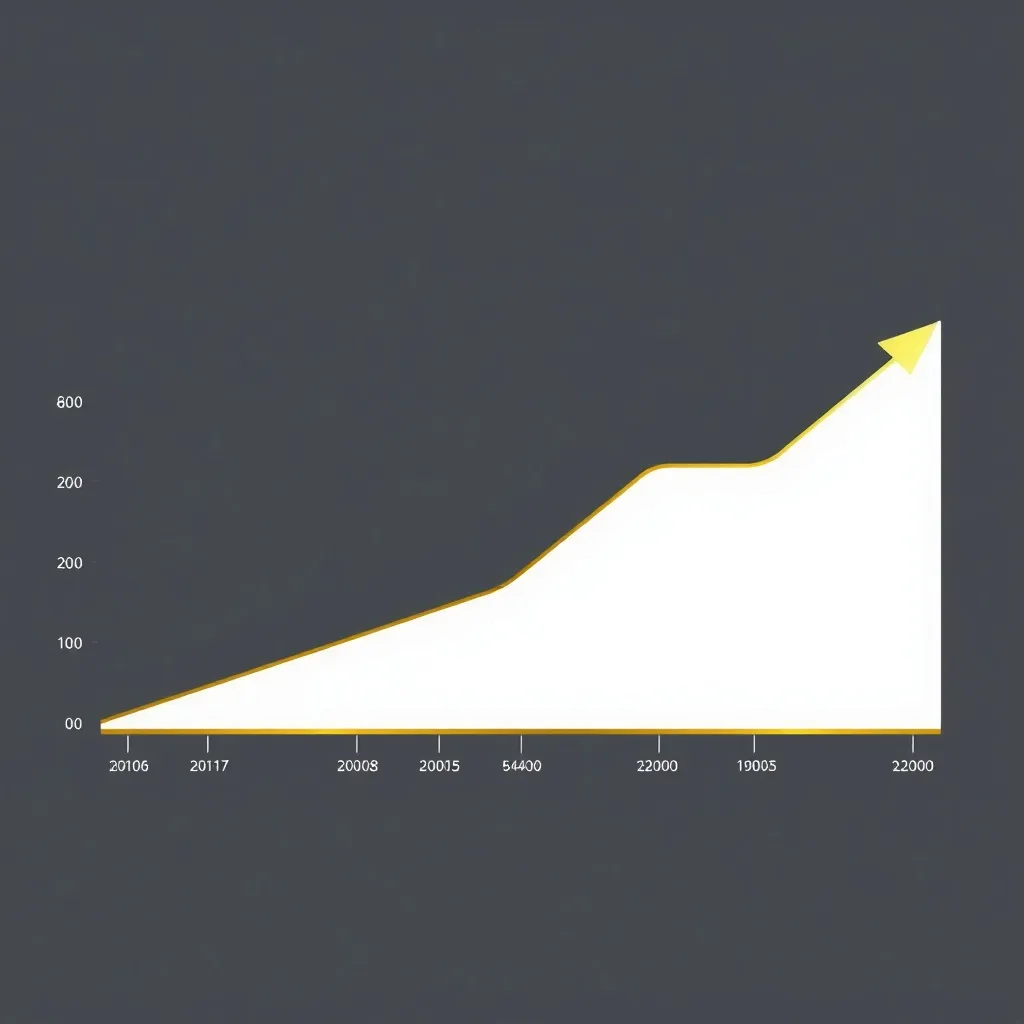
Test subjects avoided high-interest credit instruments by allocating 15% of monthly revenue into a dedicated hardware fund. This resulted in a 24% increase in net purchasing power over a 12-month cycle.
Efficiency Analysis
Technical analysis of household capital accumulation patterns. Our laboratory environment tracks the efficiency of interest-free acquisition strategies for high-performance domestic appliances.
Test subjects avoided high-interest credit instruments by allocating 15% of monthly revenue into a dedicated hardware fund. This resulted in a 24% increase in net purchasing power over a 12-month cycle.
Efficiency AnalysisBy utilizing the Toronto Retail Market Monitoring data, households identified optimal entry points for high-tier refrigeration units, saving an average of $450 per unit.
Technical GuideTransitioning to energy-efficient hardware reduced utility overhead by 18%. These secondary savings were reinvested back into the primary equipment fund to accelerate the next acquisition cycle.
Conservation DataOur longitudinal study focused on the "Slow-Accumulation" hypothesis. We observed that households utilizing structured savings protocols exhibited significantly lower financial stress indicators compared to the credit-reliant control group. The primary metric for success was the "Debt-to-Asset" ratio at the point of appliance procurement.
Data points collected over 24 months indicate that systematic capital allocation not only secures the hardware but also builds a resilient financial buffer. Participants reported a higher satisfaction rate with equipment longevity when the purchase was funded through liquid assets rather than deferred liabilities.
Further observations suggest that the psychological benefit of debt-free ownership leads to better maintenance habits. This "Ownership Responsibility" factor extends the operational lifespan of the appliance by an estimated 15%, based on technical service logs reviewed during the follow-up phase of the experiment.
Review our comprehensive methodology to begin your own resource management protocol. Access the full technical logs and procurement strategies developed during our beta phase.