Incremental Capital Shielding
Automating the transfer of non-essential funds into high-yield, low-access accounts to prevent impulsive expenditure during the research phase.
Review Strategy →
An analytical framework designed to optimize capital allocation for high-performance domestic infrastructure without reliance on credit instruments.
Our longitudinal study focuses on the fiscal impact of high-end appliance procurement within the Toronto retail market. Initial observations indicate that traditional credit-based acquisition leads to a 15-22% increase in total ownership cost due to compounding interest rates and hidden service fees. By implementing an eco-financial management strategy, participants can bypass these inflationary pressures, redirecting saved capital toward higher-efficiency models that reduce long-term operational costs.
The experiment highlights a direct correlation between procurement speed and financial waste. By extending the acquisition timeline through structured accumulation, the consumer gains access to seasonal market fluctuations and inventory clearance cycles, which are often inaccessible to those restricted by pre-approved credit limits.
Key findings from our recent Market Monitoring Report suggest:
Standardized methodologies for capital preservation and targeted appliance procurement.
Automating the transfer of non-essential funds into high-yield, low-access accounts to prevent impulsive expenditure during the research phase.
Review Strategy →Prioritizing hardware with the highest Energy Star ratings to ensure that the saved capital continues to yield dividends via reduced utility bills.
Efficiency Data →Utilizing historical pricing data to identify optimal purchase windows, typically occurring during Q4 inventory transitions in the Toronto region.
Case Studies →Based on 36-month credit comparisons.
Per high-efficiency unit installed.
Average per household over 2 years.
The intersection of financial health and environmental responsibility is most evident in the appliance sector. Our research indicates that households that save specifically for high-end, energy-efficient models (rather than financing mid-tier units) contribute significantly to local resource stability. This "Patient Procurement" model reduces the carbon footprint associated with premature hardware failure and frequent replacement cycles.
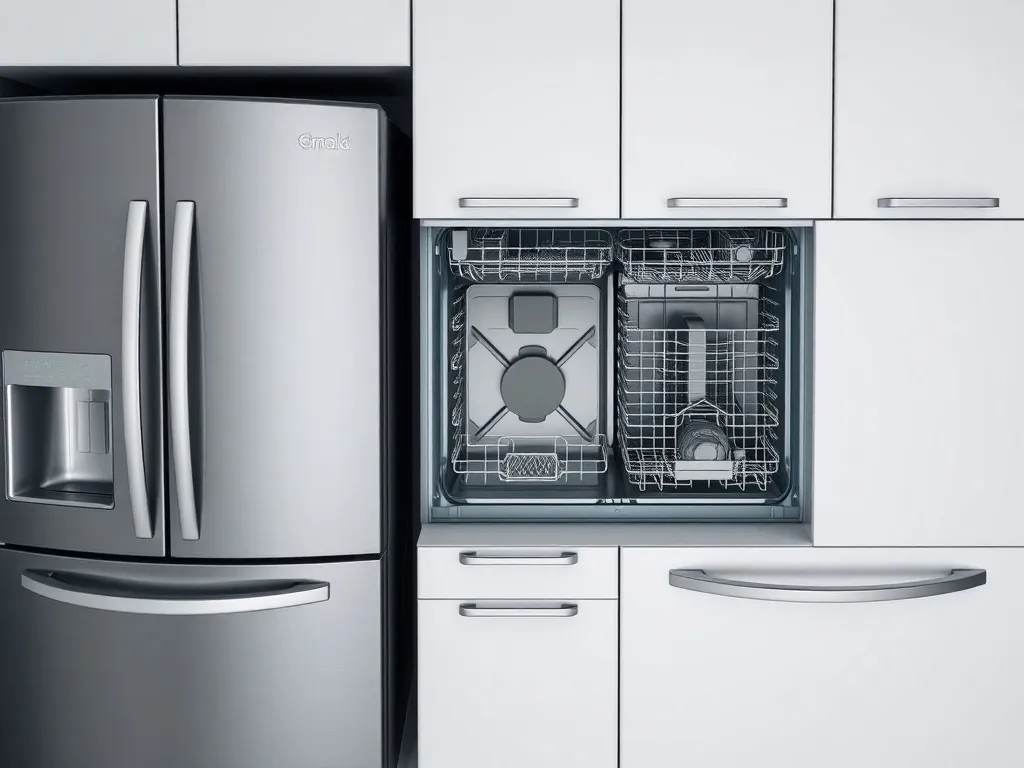
By adhering to the Environmental Resource Conservation guidelines, we observe a reduction in electronic waste. When a consumer invests in a machine designed for a 15-year lifecycle rather than a 5-year credit-financed model, the net environmental impact is halved.